

Municipalities and public sector
One municipality, many departments, shared cars.
Booking and car groups across departments. The organisation chart follows the municipality, and each role sees what belongs to it.
Illustration
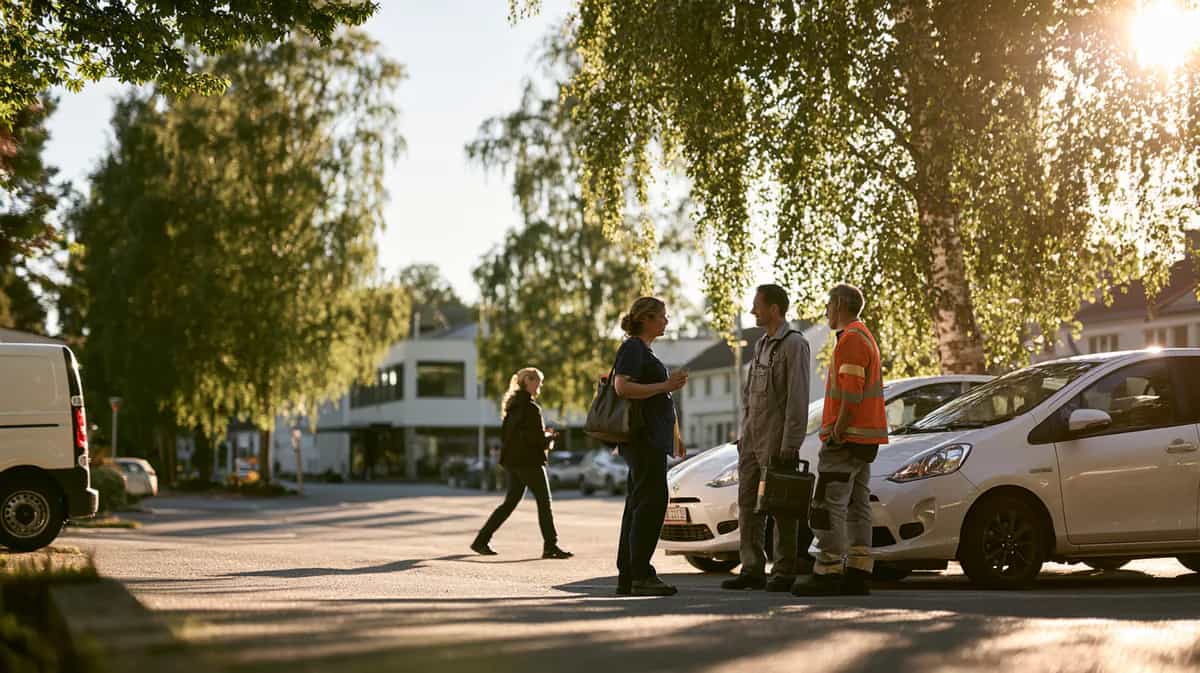
Every day the municipality drives thousands of kilometres. Not because it wants to, but because the services live where people live.
Illustration
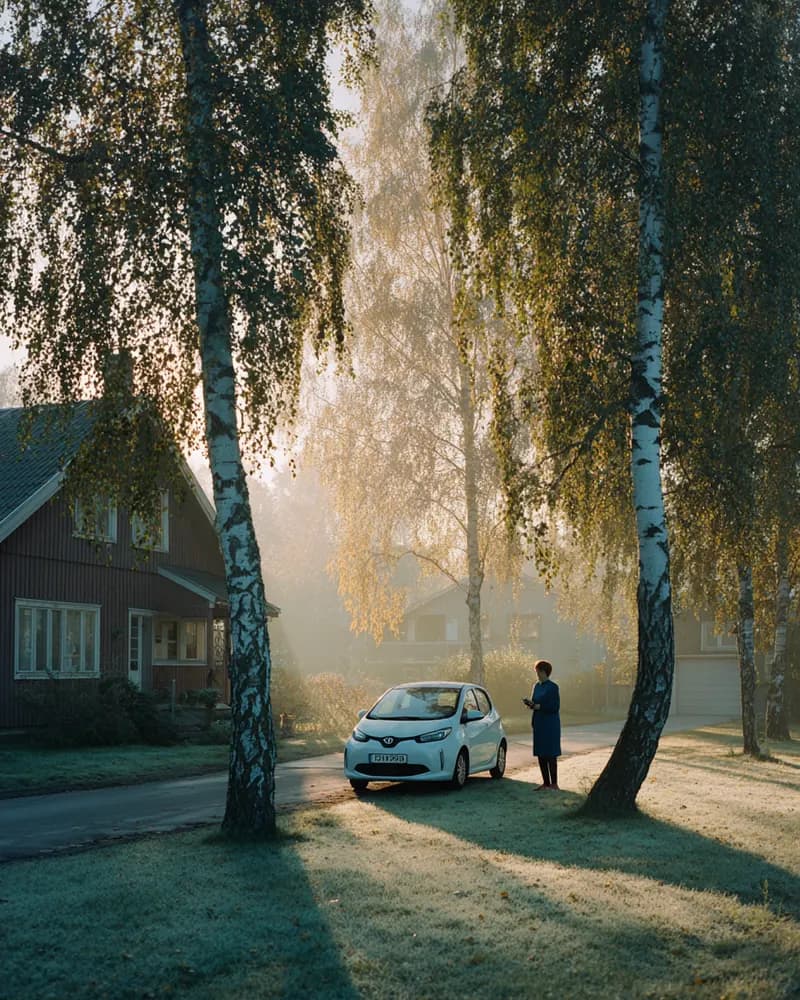
07:10 · Home nursing
The first visit is at half past seven. The car is charged and parked where it should be. The key is the phone. Nobody drives by the office first.
Illustration
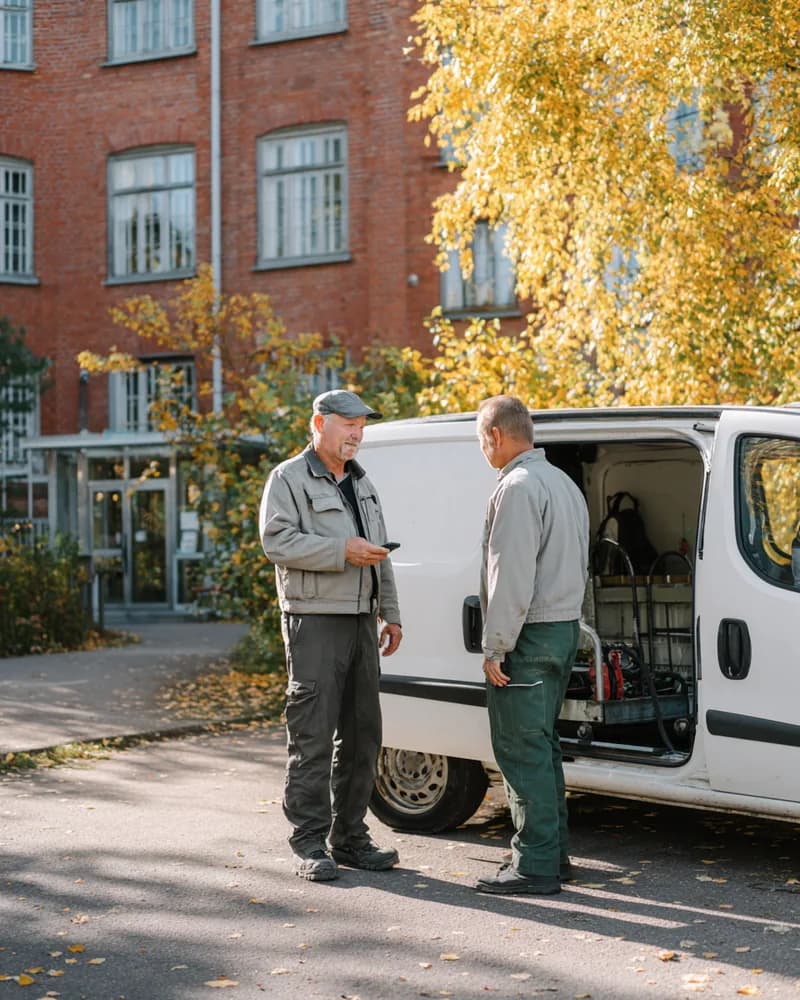
10:40 · Technical operations
The van from the parks department is free until twelve. The school caretaker borrows it. The booking shows who had it, and when.
Illustration
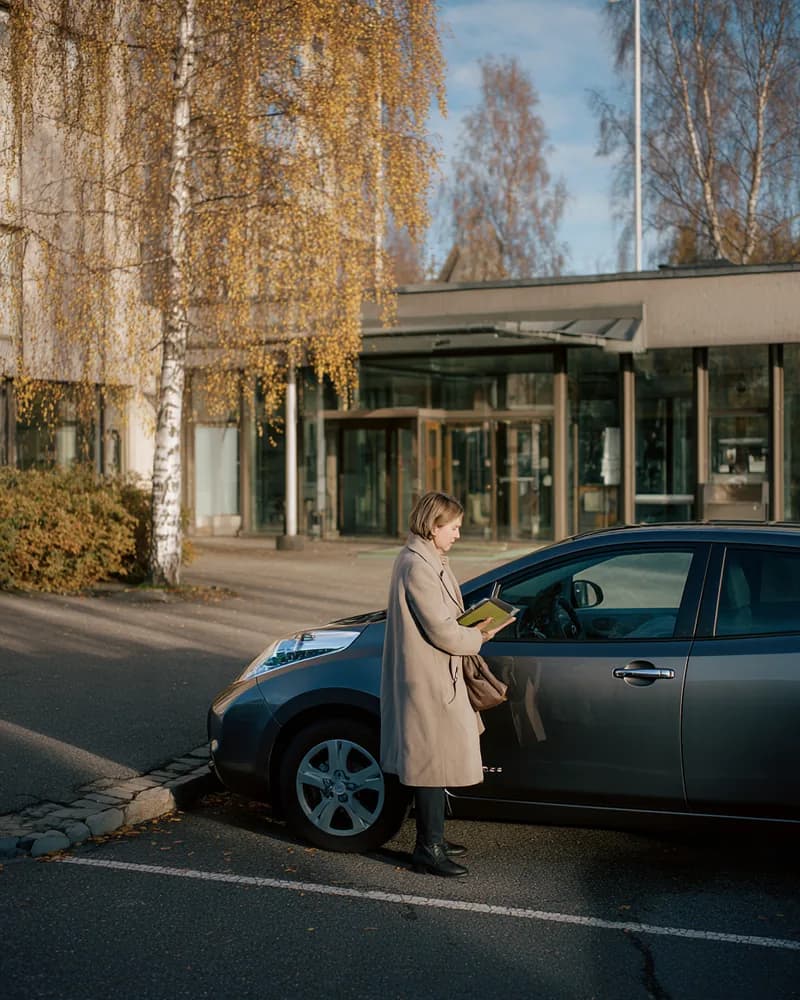
15:20 · Child welfare
A home visit outside the centre. The car is at the town hall, not in another district. The logbook writes itself.
That is what it looks like when it works. In most municipalities it looks different: one department lacks a car while the department next door has three standing idle. Employees use their own cars and get mileage allowance for trips under three kilometres. And nobody really knows what the fleet costs, because the figures sit in five different systems.
One fleet. Three ways to share it.
Zonara follows the municipality’s organisation chart. Each department sees its cars. The fleet manager sees everything.
In the department
Home care books its own cars in the app. The door opens with the phone, the logbook is kept automatically, and the manager sees who had the car when.
- Booking and keyless access
- Automatic logbook per trip
- BankID-verified driver
Keyless access needs a key module fitted in the car.

Illustration
Between departments
A free van in technical operations is visible to education. The car is lent out for a few hours, and the logbook shows which department used it.
- Shared car groups across units
- Every business trip linked to driver and department
- Cars standing idle become visible

Illustration
With residents
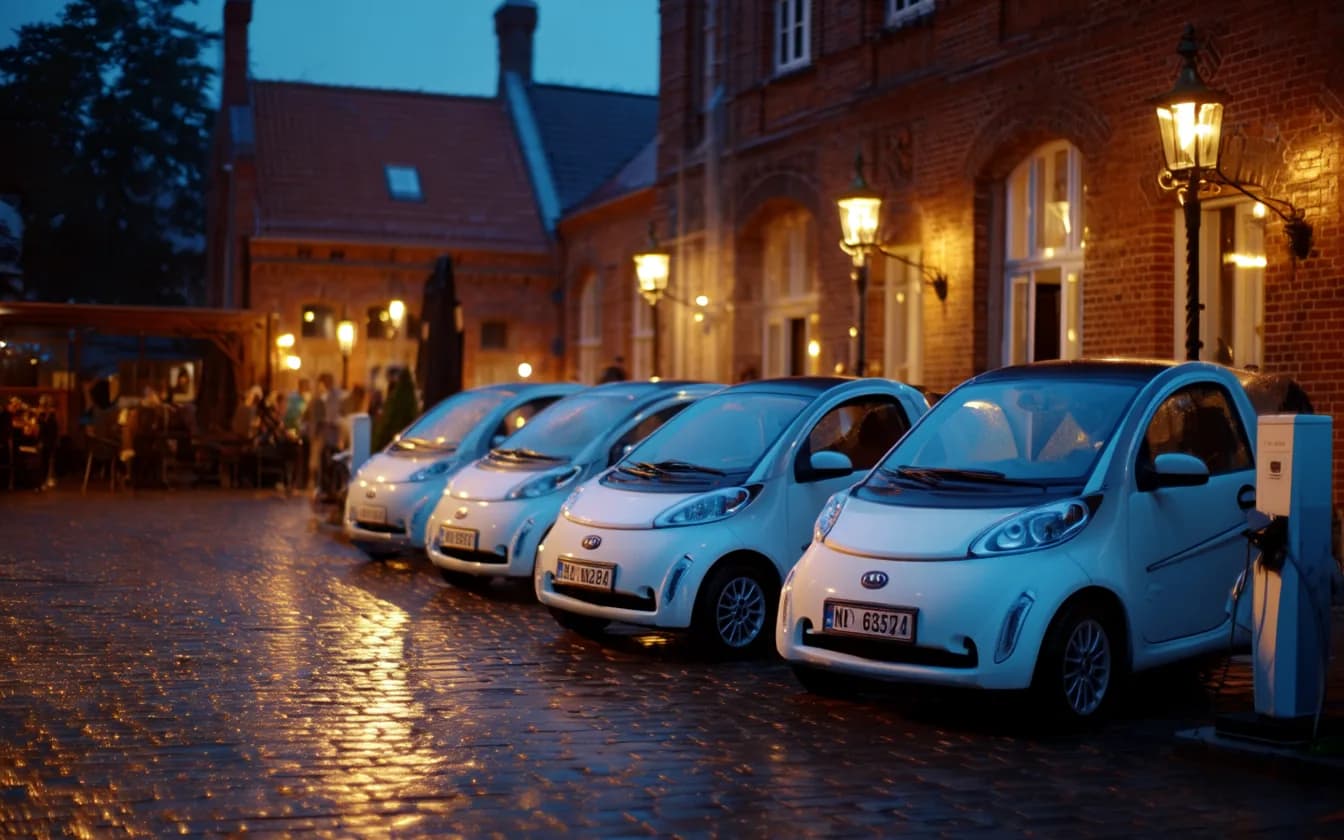
The cars stand still after 4 pm. Municipalities such as Halden and Ålesund have made their service cars available to residents outside working hours. Today Zonara shares the cars within the organisation. Sharing with residents is the next step, and we are looking for a municipality that wants to be a pilot.
Source: Miljødirektoratet, klimapodcast 52 (Halden) and Klimasats 2020, Ålesund
Illustration
?
How many of your cars are standing idle right now?
Most fleets do not know. Lørenskog has mapped its fleet and how the vehicles are used. In Oslo the municipality owned service cars that were hardly ever used. Zonara shows it per car, every day.
Source: KS eksempelbank (Oslo, 2023) and anskaffelser.no (Lørenskog)
approx. NOK 10,000 / month
Monthly price per smaller electric car in Ålesund municipality’s car-as-a-service agreement. About 100 cars at 11 to 12 locations.
Source: DFØ, anskaffelser.no, «Fra bilpark til bil-som-tjeneste» (27.03.2026)
NOK 1m / year
Halden municipality estimated savings of about 1 million kroner a year. The scheme had 40 shared cars: employees in the daytime, residents otherwise.
What the fleet manager gets
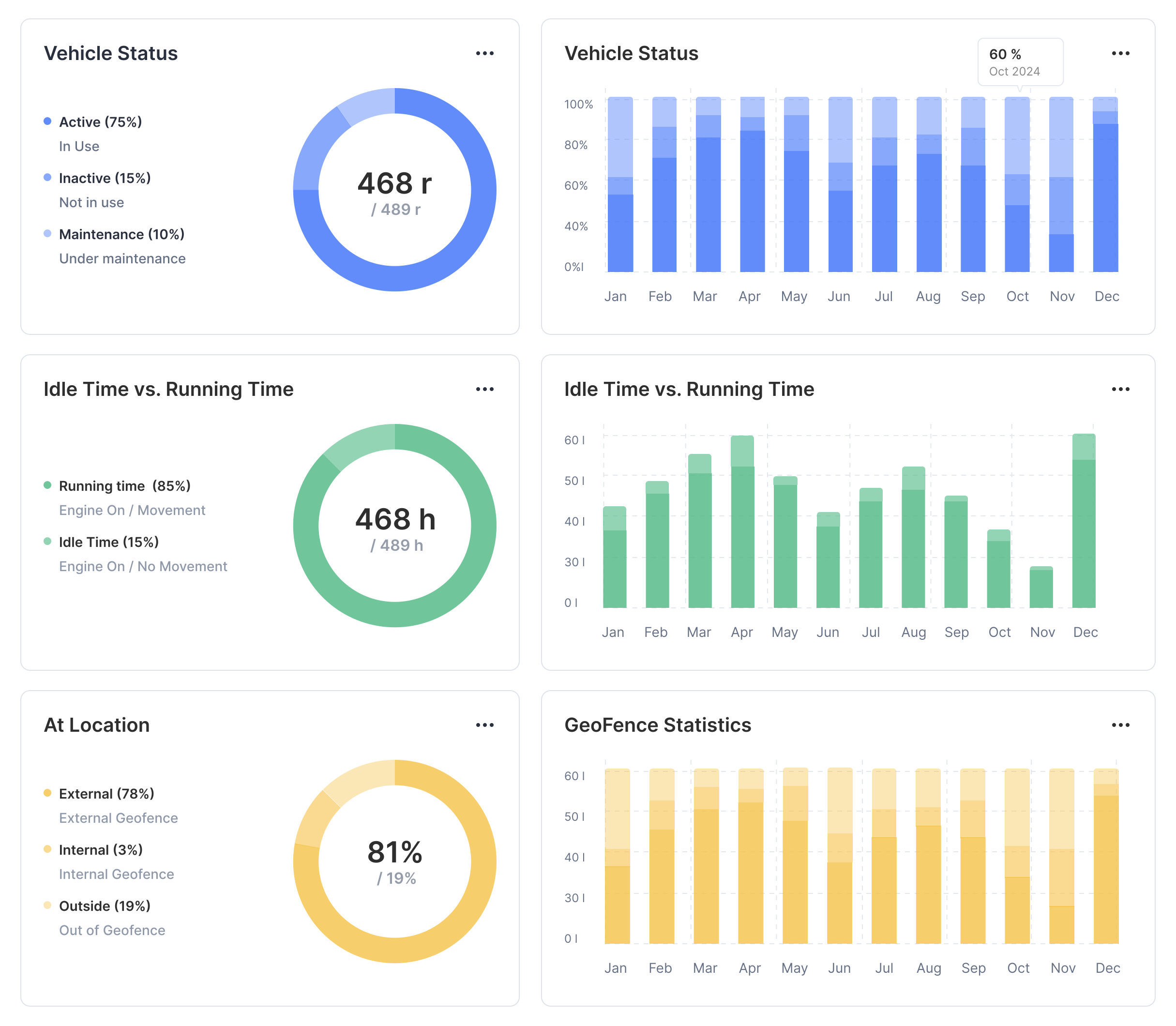
The whole fleet in one place. Which cars are out, who has them, and how much each car is driven.
A basis for taking cars out. Trips and kilometres per car show which ones stand idle. That is the documentation the finance department needs to cut.
A logbook that holds up in an audit. Every trip with start, stop, kilometres and a BankID-verified driver.
Want to see what the municipality’s fleet costs today?
We go through your fleet in 30 minutes and show where the cars stand idle.