

Trades and installation
The van at work. The logbook in order.
For plumbers, electricians and service companies with vans. Trips, service and roadworthiness tests are followed up by themselves, and newer vans connect without any hardware installed.
Illustration
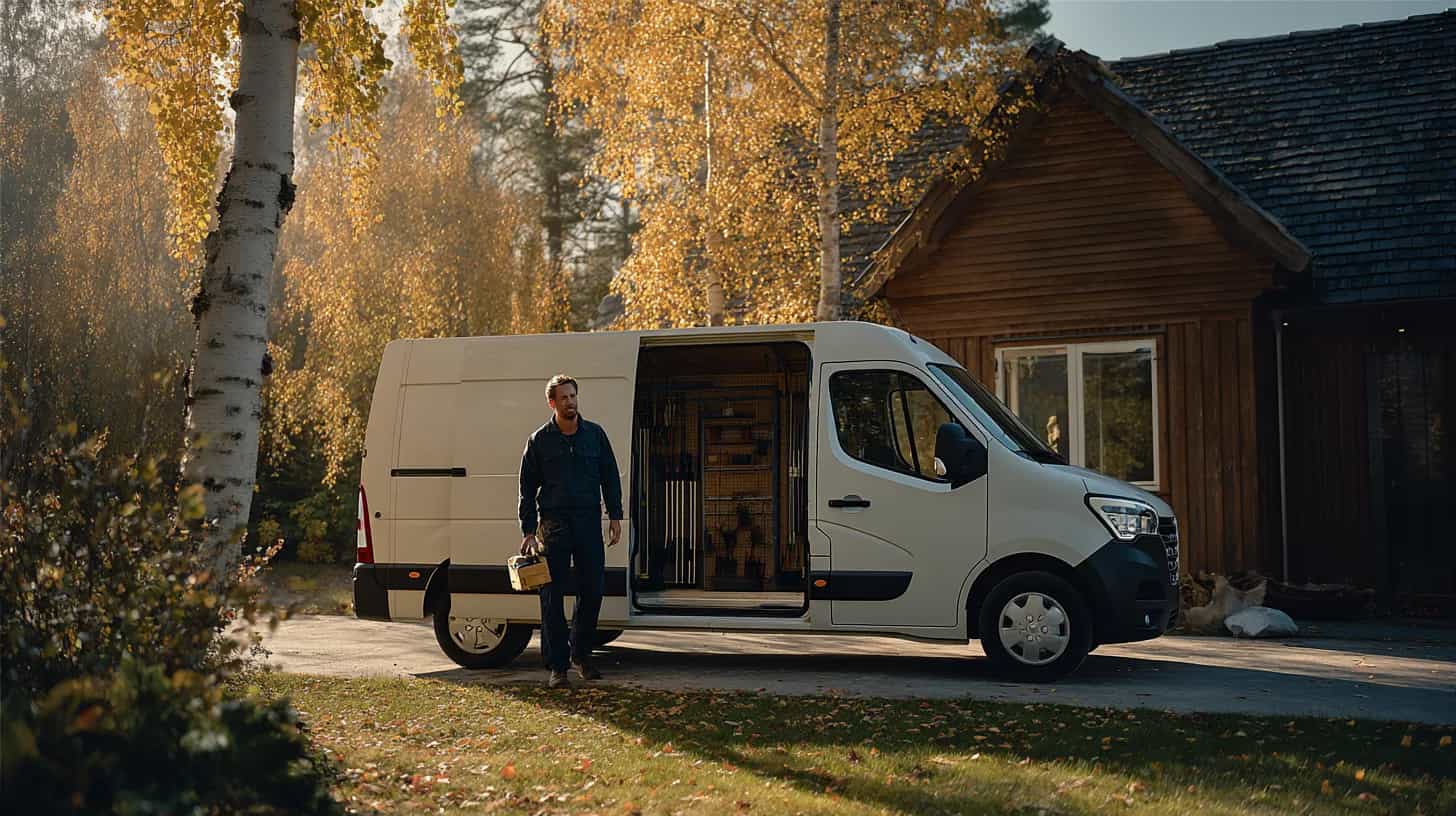
The van drives from the first customer to the last. Nobody has time for the logbook after work.
Illustration
07:00 · The plumber
The van is ready by the house. The trip to the first customer is recorded from the car. The logbook shows the car is used for work.

Illustration
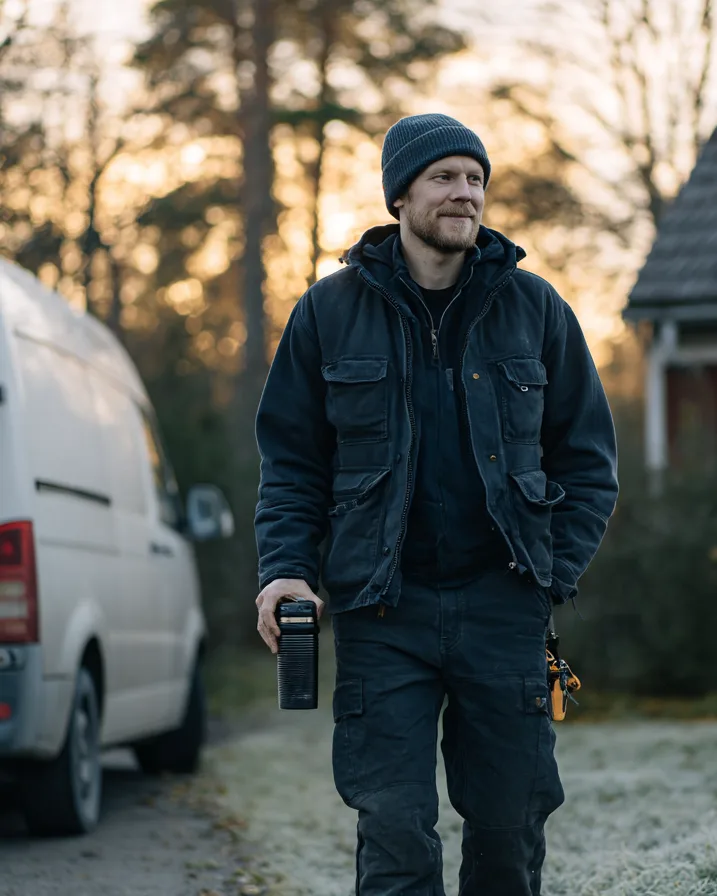
12:30 · The electrician
The van is nearing its roadworthiness test. The deadline is already with the person responsible. Nobody had to remember it.
Illustration
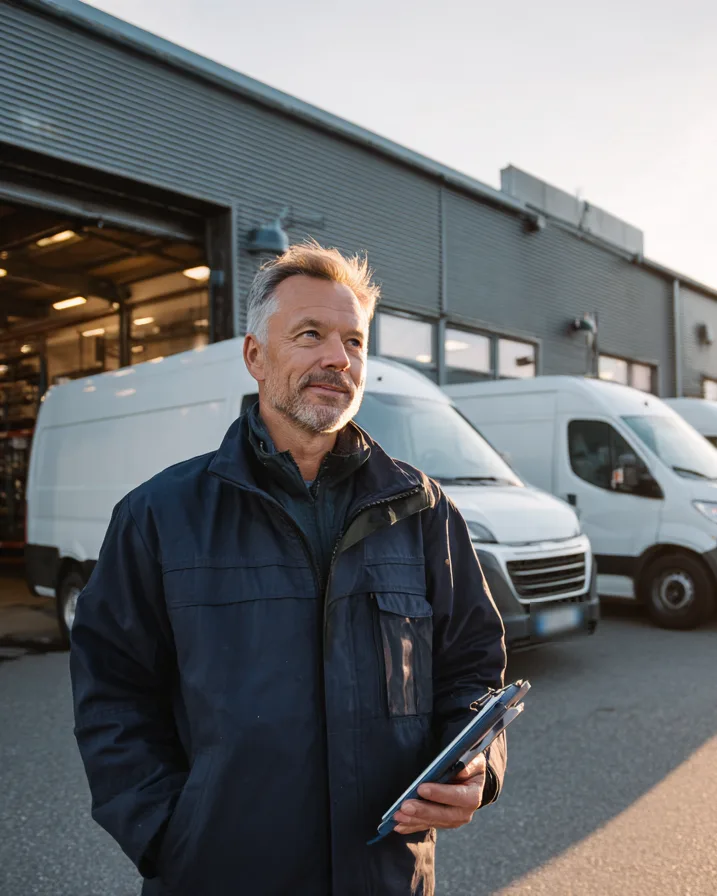
Friday · Managing director
Five vans, five logbooks. Everything is ready for the accountant, without anyone having written anything down.
Without a system it looks different. Trips are written in afterwards, from the order list and memory. Service is followed up in a spreadsheet one person owns. The roadworthiness test is discovered when the deadline is near, or when it has passed. And the managing director chases the same fitters every month.
The vans follow themselves up.
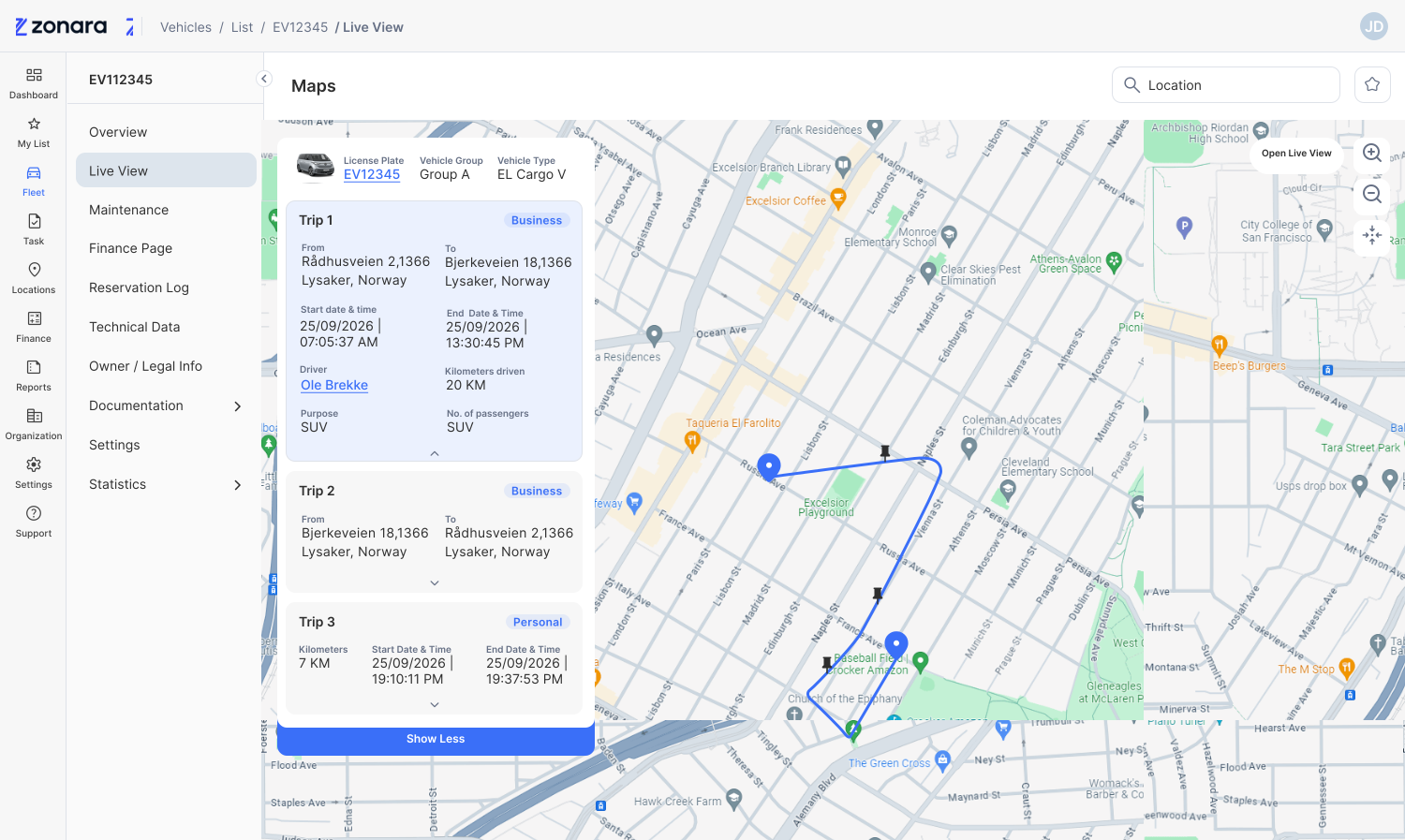
Zonara fetches the trips from the van. Service creates its own work orders. The managing director sees who drove which car.
The logbook
The trip to the customer is recorded from the van, with date, time, start, stop and kilometres. The driver marks business or private and writes the purpose. Recorded trips cannot be changed.
- The logbook keeps itself
- Trips that cannot be changed
- Private trips are seen only by the driver
Service
The service programme follows the manufacturer’s interval for each van. When service approaches, the work order is created and lands with the person responsible. The tyre change is planned for the whole fleet at once.
- Work order before the service is due
- Roadworthiness test deadline per van
- The same tasks on the web and in the driver’s app
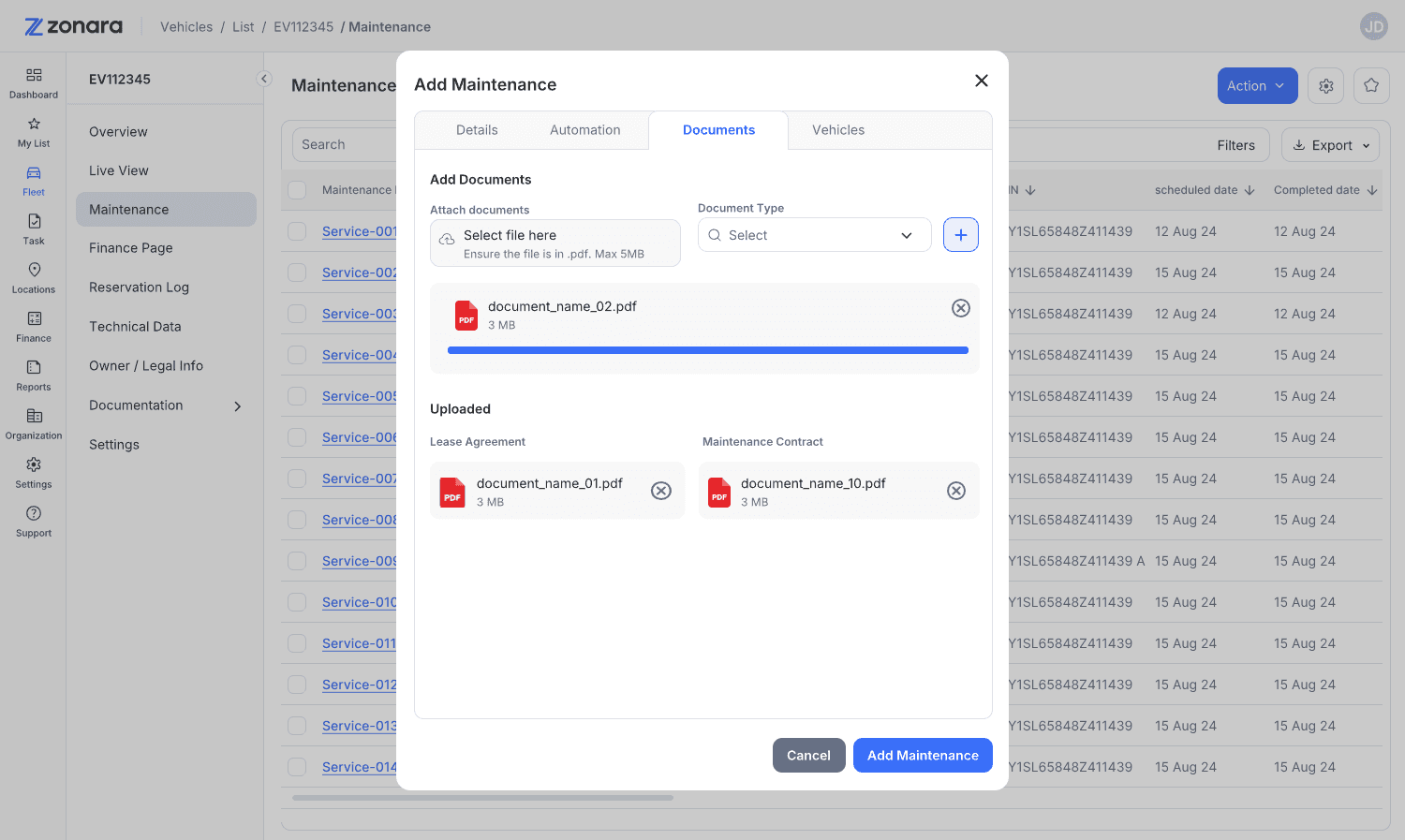
Drivers and cars
Each driver is identified with BankID, and the driving licence is validated against the Norwegian Public Roads Administration. Every trip stands with car and driver. The managing director sees all the vans and trips in one place.
- A fixed van or booking in the app
- Trips per car, with driver and purpose
- Photos at start, compared between trips
47% of van kilometres are driven by tradespeople’s and service vans.
47%
of van kilometres are driven by tradespeople’s and service vans.
The van is the tool. It is driven every day, and every trip has to be documented.
9.9 years
is the average age of vans in Norway.
Most have both new and older cars. Newer vans connect without any hardware installed, older ones with a small unit, on the same platform.
Want to know how your vans connect?
Check each van with its VIN, and get started with the logbook.